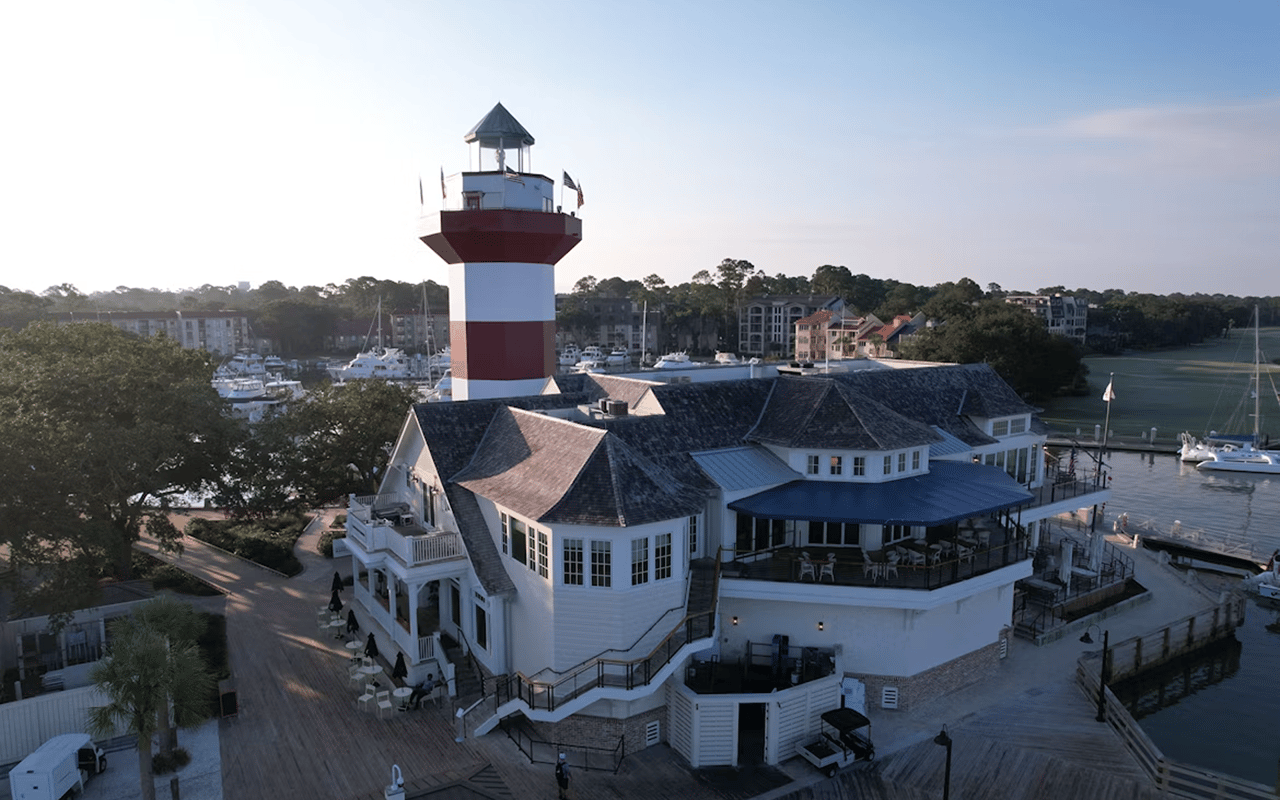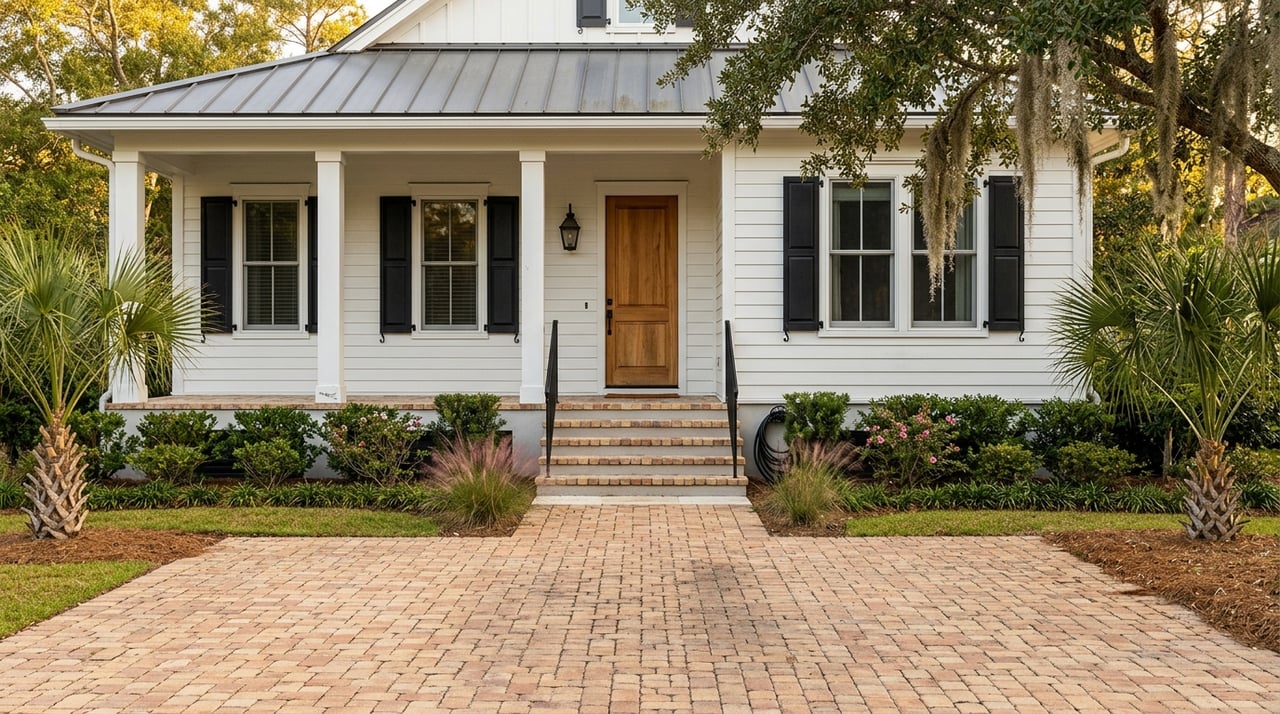
If you are thinking about selling in Hilton Head Plantation, one thing matters right away: this is not a list-it-and-wing-it kind of market. Buyers here pay attention to pricing, community rules, property condition, and how well a home fits the Plantation lifestyle. If you start with the right information, you can avoid costly delays and make smarter decisions from day one. Let’s dive in.
Understand what buyers expect
Hilton Head Plantation is a large private community on Hilton Head Island with roughly 4,000 acres and about 4,300 homes. Community materials also note 72 miles of roadways, about 10 miles of leisure paths, and roughly 12,000 vehicles entering the gates each day. That scale, along with the amenities, helps shape buyer expectations.
Buyers are not just comparing your house to another house. They are comparing your home, location, condition, and updates against the full Hilton Head Plantation experience. That includes access to amenities such as Dolphin Head Recreation Area, Spring Lake Pool and Pavilion, the Plantation House, the Bluff Walk, two miles of walking beach, tennis courts, bocce, shuffleboard, and four golf courses.
Because of that, your sale is about more than square footage. Buyers often want a home that feels well maintained, fits community standards, and supports the kind of Lowcountry lifestyle they picture for themselves.
Start with community rules
Before you paint, replace a roof, update landscaping, or tackle exterior prep, check Hilton Head Plantation’s Architectural Review Board requirements. The current guidelines require approval before implementation for items such as additions, alterations, repainting, re-roofing, and major landscape changes.
That matters because many sellers want to freshen up the property before listing. In Hilton Head Plantation, some of those “simple” projects may need formal review first. If you skip that step, you could create delays when buyers ask questions or when closing prep begins.
The ARB guidelines also say that final review submissions can require working drawings, a landscape plan, a drainage plan, property photos, and a color sample board. If you are considering meaningful exterior work before listing, it is smart to confirm what is required before you hire vendors.
Gather old plans and approvals
If you have made improvements over the years, pull together any records you still have. Recent improvement details, permits, and ARB approvals can help support buyer confidence and make your listing file stronger.
If you are missing older documents, owners may request copies of residence drawings from the ARB for a fee. That can be especially useful if a buyer asks about prior additions, exterior changes, or other approved work.
Price from reality, not hope
Hilton Head Plantation is a strong submarket, but that does not mean buyers will ignore overpricing. According to the Hilton Head Area REALTORS® 2025 annual report, Hilton Head Plantation had 228 closed sales, a median sales price of $867,500, 59 days on market, 97.1% of list price received, and 2.2 months of supply.
Those numbers show solid demand, but they also show a market where buyers still negotiate. You are not in a market where pricing can be casual. A strong start matters.
Broader Hilton Head Island data gives helpful context too. The same 2025 annual report shows an island-wide median sales price of $545,000, 96 days on market, and 97.2% of list price received. Hilton Head Plantation sits above that island average, but buyers still have options across the market.
Current active listing data points in a similar direction. Realtor.com’s March 2026 Hilton Head Plantation page classifies the neighborhood as a buyer’s market, with a median listing price of $989,000, median days on market of 60, and homes selling for 2.33% below asking on average during that month.
Because closed-sale data and active-listing data measure different things, they are not direct apples-to-apples comparisons. Still, together they suggest a clear takeaway: your best pricing strategy is based on recent comparable sales and current competition, not on an aspirational number.
What smart pricing does for you
A well-priced home can help you:
- Attract serious buyers earlier
- Reduce the risk of sitting on the market
- Support stronger negotiating position
- Avoid repeated price reductions
- Keep momentum once your home launches
In a community like Hilton Head Plantation, presentation and pricing work together. If one is off, the other has to work harder.
Prepare for coastal questions
Selling on a barrier island means buyers may ask more detailed questions about flood zones, drainage, and storm readiness. The Town of Hilton Head Island describes the island as a 54-square-mile barrier island where hurricanes, storm surge, high tides, and heavy rains influence flooding.
The Town’s flood resources explain flood maps, Special Flood Hazard Areas, and flood insurance questions. The Town also highlights stormwater systems, drainage, pond management, pump stations, and resilience as important local issues. In practical terms, that means flood and drainage documentation can be an important part of your pre-listing prep.
Build a simple seller file
Before your home hits the market, it helps to organize:
- ARB approvals for exterior work
- Improvement history and dates
- Roof or exterior maintenance records
- Any available drainage or landscape plans
- Flood zone or flood map information
- Notes about historical flooding, if applicable
You do not need to overcomplicate this. You just want to be ready with clear, factual information when buyers start asking questions.
Know your likely buyer pool
Hilton Head Plantation is not positioned like a short-term rental neighborhood. According to the community fact sheet, properties subject to the Class A covenants may not be rented for less than six months. It also says leases of nine months or more have access to Hilton Head Plantation-owned amenities.
That affects who is most likely to buy your home. In many cases, your buyer may be looking for a primary residence, a second home for personal use, or a long-term rental hold rather than a weekly vacation-rental setup.
This is an important point when shaping marketing strategy and setting expectations. The strongest messaging usually focuses on the home itself, the community setting, and the lifestyle fit rather than short-term rental potential.
Confirm open house procedures early
If you plan to hold an open house or similar event, do not assume standard island procedures apply inside Hilton Head Plantation. The community fact sheet says Realtors must follow Plantation criteria for open houses, home tours, sales, rentals, and special events.
That means your listing team should confirm current procedures before scheduling public-facing marketing events. Taking care of that early can help you avoid confusion and keep your launch running smoothly.
Be ready for closing questions
Some of the most important seller conversations happen near the end of the transaction. One item to know in advance is the Hilton Head Plantation capital improvement fee.
The community declaration allows a capital improvement fee on transfers of title, and the fact sheet describes it as one-quarter of 1% of the transaction. The declaration says the purchaser pays it at closing and that payment is due within seven days after closing, so it is wise to confirm how that will be handled with the closing attorney.
Property taxes may also come up in buyer conversations. Beaufort County says primary residences are assessed at 4% of appraised value, while other residential and commercial property are assessed at 6%. The county also states that real estate taxes are due January 15, and reassessment occurs every five years, with the next one scheduled for 2028.
While those details are usually more relevant to the buyer’s planning, sellers who understand them are often better prepared for common questions during negotiations.
Focus on a clean, confident launch
The best first move for most Hilton Head Plantation sellers is not rushing to market. It is getting organized. That means understanding ARB rules, preparing for flood and drainage questions, pricing from current evidence, and shaping the listing around the buyer profile most likely to respond.
Hilton Head Plantation offers a lot of value, but buyers here also tend to notice the details. When your prep is thoughtful and your pricing is grounded in the market, your home stands out for the right reasons.
If you are getting ready to sell in Hilton Head Plantation, the right guidance can make the process feel much more manageable. For neighborhood-specific pricing, prep strategy, and coordinated support from a local team, connect with The Joan Kelly Group.
FAQs
Do Hilton Head Plantation sellers need ARB approval before listing updates?
- Yes. Hilton Head Plantation’s ARB guidelines require approval before implementation for items such as repainting, re-roofing, additions, alterations, and major landscape changes.
Can Hilton Head Plantation sellers market a home for short-term rentals?
- No. The community fact sheet says properties subject to the Class A covenants may not be rented for less than six months.
What market stats matter most for Hilton Head Plantation sellers?
- Key 2025 closed-sale benchmarks for Hilton Head Plantation were 228 closed sales, a median sales price of $867,500, 59 days on market, 97.1% of list price received, and 2.2 months of supply.
What documents should Hilton Head Plantation sellers gather before listing?
- Helpful items include ARB approvals, improvement records, residence drawings if available, maintenance records, and flood or drainage information relevant to the property.
What fee should Hilton Head Plantation sellers know about at closing?
- Hilton Head Plantation’s declaration allows a capital improvement fee equal to one-quarter of 1% of the transaction, and the purchaser pays it at closing according to the community documents.